The Nature of Luck in Gambling
Luck is often considered a pivotal element in gambling, stirring debates among players about its true impact on success. At its core, luck embodies the unpredictable outcomes inherent in games of chance. While skill and strategic thinking are essential in certain scenarios, particularly in games like poker or blackjack, luck plays a crucial role in determining winners and losers across a range of gambling activities, including payid casinos australia , where chance can significantly influence results. Understanding this element of chance is fundamental for anyone engaged in gambling, as it shapes the overall experience.
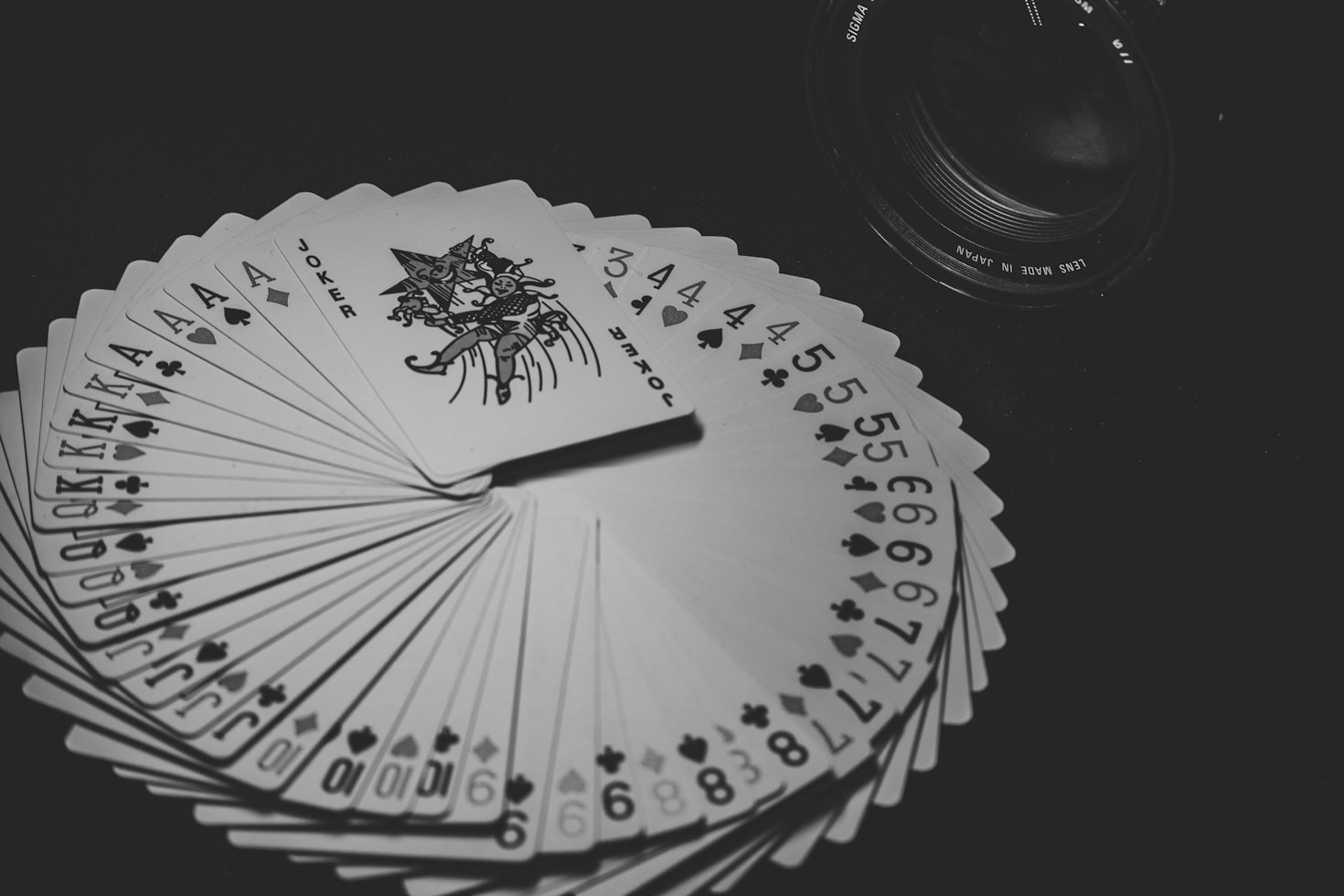
Take, for example, the world of slot machines, where outcomes are dictated by random number generators. Many players cling to the belief that specific times or machines might yield better results, showcasing the psychological grip of luck on their gambling behavior. This perception emphasizes how intertwined luck is with the gambling experience, as players often seek patterns or signs in an inherently random system. Despite the structure of these games, the thrill of luck remains a key factor influencing player satisfaction and engagement.
It is essential, however, to acknowledge that luck is just one part of the equation. Competent gamblers often develop strategies and knowledge bases to enhance their chances of success. This interplay between luck and skill suggests that while players cannot control the whims of luck, they can adopt informed approaches that may lead to more favorable outcomes over time. Recognizing this balance can empower gamblers to navigate the uncertain terrain of gambling more effectively.
The Role of Skill in Gambling
While luck undoubtedly contributes to the outcomes in gambling, the importance of skill cannot be overstated. In games such as blackjack, poker, and sports betting, an understanding of strategies, probabilities, and psychological insights into opponents can significantly impact success. Skilled players often rely on their knowledge to make decisions that reduce the reliance on luck, showcasing the symbiotic relationship between skill and chance. For instance, in poker, a player adept at reading body language and betting patterns may consistently outperform less experienced opponents, illustrating how skill can navigate the unpredictable nature of luck.
Furthermore, a thorough grasp of game rules and mathematical principles can enhance a player’s ability to succeed in gambling. In blackjack, for instance, knowing when to hit or stand based on the dealer’s visible card can shift the odds in favor of the player. This knowledgeable approach not only reduces the house edge but also leads to more consistent wins over time. The fusion of skill and luck emphasizes that while one cannot rely solely on chance, applying sound strategies can lead to improved results.
In competitive environments like tournaments, the dynamic interplay of skill and luck becomes even more critical. Players must utilize their skills while adapting to the unpredictable decisions of their opponents and the inherent luck involved in card draws or dice rolls. Therefore, while skill is a powerful tool in the gambling toolbox, it does not diminish the role of luck in shaping overall success and player experiences.
Psychological Factors in Gambling Success
The psychology behind gambling significantly influences a player’s success and experience. Many gamblers fall prey to the ‚illusion of control‘, believing they can impact outcomes through their actions or strategies. This mindset can bolster confidence in one’s abilities but can also lead to overconfidence, resulting in poor decision-making. By understanding the psychological factors at play, gamblers can better navigate their emotional responses during wins and losses, enabling them to maintain a more balanced approach to their gaming activities.
Additionally, emotional attachments to specific games or rituals can significantly affect decision-making. Players often develop superstitions around particular betting strategies or games they associate with past successes. While these behaviors can enhance the enjoyment of gambling, they may also lead to biased betting patterns that can ultimately harm a player’s financial standing. By recognizing these psychological influences, gamblers can work to make rational choices that mitigate the potential negative effects of luck.
The concept of ‚chasing losses‘ serves as a poignant example of how psychology can derail even the most skilled gamblers. When hope or desperation drives players to continue gambling in an attempt to recover lost funds, they often find themselves spiraling into deeper losses. Acknowledging the psychological traps that can ensnare gamblers is vital for fostering healthier attitudes toward gambling, showcasing the intricate relationship between psychological well-being and luck in achieving success.
Strategies for Navigating Luck in Gambling
To successfully navigate the unpredictable nature of luck in gambling, players must implement structured strategies that promote responsible gaming. Establishing limits regarding time and money spent is crucial in creating a controlled gambling environment. By setting these boundaries, players can avoid the pitfalls of chasing luck and maintain a healthier relationship with their gambling habits. Knowing when to walk away can be just as important as knowing how to play the game.
Diversifying the types of games one plays is another effective strategy. While it may be tempting to stick with familiar games perceived as lucky, exploring a variety of gambling options can enhance a player’s understanding of game mechanics, strategies, and odds. Engaging in practice sessions or simulations can help players refine their skills without the risk of financial loss. This proactive approach allows for a better grasp of how to optimize chances of success across different games.
Moreover, joining communities or forums where gamblers share experiences and strategies can significantly enhance one’s knowledge. Engaging in discussions about how luck intersects with various games can provide valuable insights that might not be apparent to individual players. By collectively understanding the role of luck while honing skills and strategies, gamblers can create a more rewarding and enriching experience in the gambling landscape.
Understanding Gambling Trends and Resources
In the rapidly evolving landscape of gambling, staying informed about current trends can greatly influence how luck impacts success. Innovations in technology, shifts in game design, and changes in player behavior continuously reshape the gambling environment. For example, the rise of online gambling platforms has transformed how players interact with games and each other, introducing new variables that affect both luck and strategy. Keeping abreast of these developments can empower gamblers to adapt their approaches effectively.
Utilizing current resources, such as blogs, tutorials, and expert analyses, provides gamblers with critical insights that can enhance their understanding and skill set. These tools often highlight the nuances of various games, revealing how luck can influence outcomes and where strategic thinking is paramount. By capitalizing on these educational resources, players can better equip themselves to face the unpredictable nature of gambling.
Additionally, awareness of responsible gambling practices has become increasingly important in ensuring that luck and skill coexist harmoniously. Many gambling platforms now offer tools for self-assessment, budgeting, and goal-setting, which can significantly aid players in maintaining a balanced approach. By utilizing these resources, gamblers can engage with the enjoyment of gaming while respecting the inherent unpredictability of luck, fostering a healthier and more sustainable gambling experience.
