The Allure of Risk and Reward
Gambling in casinos taps into the innate human attraction to risk and reward, a psychological phenomenon that can be traced back to evolutionary survival instincts. The excitement of potentially winning money can create a powerful rush of adrenaline, triggering the brain’s reward pathways much like addictive substances, especially when players enjoy australian online casino instant payout options that enhance their gaming experience. This allure often leads players to experience a sense of euphoria, which is amplified by the environment of the casino, designed to heighten sensory stimulation and emotional engagement.
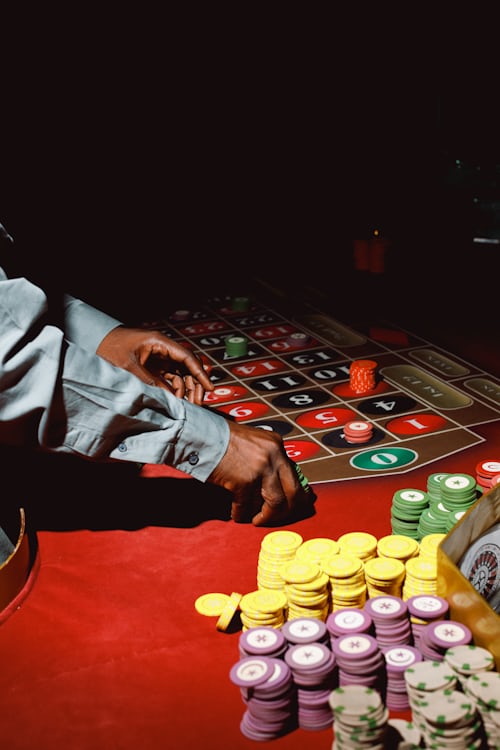
Many gamblers are drawn to the thrill of uncertainty, finding pleasure in the unpredictable nature of games. This element of surprise is what keeps people returning to the gambling floor, as each spin of the roulette wheel or roll of the dice holds the promise of a life-changing win. Casinos often capitalize on this psychology by employing various strategies, such as offering free drinks or luxurious surroundings, to enhance the overall experience and make players more inclined to bet larger amounts.
The role of cognitive biases also plays into the psychology of gambling. For instance, the “gambler’s fallacy” leads individuals to believe that past outcomes can influence future ones, which can skew their risk assessments. This fallacy, combined with the excitement of the games, can create a cycle of continued play, as gamblers often rationalize their losses with the hope of hitting a big win eventually. Understanding these psychological factors can help explain why some people become repeat visitors to casinos, often leading them to gamble more than they initially intended.
The Impact of Environment on Gambling Behavior
The environment of a casino is meticulously crafted to foster gambling behavior. From the bright lights and compelling sounds to the layout and accessibility of games, every aspect is designed to keep players engaged. Research suggests that these environmental cues can significantly affect a gambler’s mood and decision-making process. For instance, the sights and sounds of a winning slot machine can create a contagious excitement that encourages nearby players to join in.
Moreover, the absence of clocks and windows within a casino can lead to a disorienting experience, causing players to lose track of time and increasing the likelihood of extended gambling sessions. This manipulation of the physical environment serves to enhance the gambling experience, making it feel more immersive and enjoyable. The psychological effect of being in an exciting atmosphere can lead individuals to spend more money and time playing, further deepening their involvement.

The social aspect of gambling also cannot be overlooked. Many players enjoy the communal atmosphere of casinos, often engaging with others as they play. This social interaction can amplify the enjoyment of gambling, making it a more appealing activity. Additionally, the presence of fellow gamblers can create a feeling of camaraderie, which can influence individuals to take larger risks than they might have otherwise, as they seek to impress others or share in the excitement of potential wins.
Addiction and Compulsive Gambling
While many people gamble for entertainment, a significant percentage develop compulsive gambling behaviors that can lead to addiction. The psychological mechanisms behind gambling addiction are complex, often involving the interplay of various factors including genetics, environment, and personal history. Compulsive gamblers may experience a loss of control over their gambling habits, leading to financial, emotional, and social consequences that can be devastating.
The intermittent reinforcement provided by occasional wins can reinforce addictive behaviors, as the brain releases dopamine, a neurotransmitter associated with pleasure and reward. This cycle can lead to a compulsion to continue gambling, despite negative consequences. Individuals may find themselves escalating their bets in an attempt to regain lost funds, resulting in a vicious cycle of betting that is difficult to break.
Effective treatment for gambling addiction often requires a multi-faceted approach, including therapy, support groups, and sometimes medication. Cognitive-behavioral therapy has been shown to help individuals identify and change the thought patterns that contribute to their gambling behavior. Recognizing the psychological triggers that lead to gambling can empower individuals to take control of their actions and make healthier choices moving forward.
The Role of Technology in Modern Gambling
The rise of technology has significantly transformed the gambling landscape, introducing online casinos and mobile gambling platforms that allow users to play from the comfort of their homes. This convenience has made gambling more accessible than ever, particularly for younger generations who are more adept at using digital technology. The shift towards online gambling has prompted a new range of psychological considerations, including the ease of anonymity and the potential for increased impulsivity.
Online platforms often use gamification techniques, such as rewards, leaderboards, and challenges, to engage users and encourage prolonged play. These strategies leverage the same psychological principles that drive traditional casino gambling but can be amplified in a digital context, where players are less likely to feel the immediate consequences of their actions. The ability to gamble from anywhere at any time can lead to increased risk for developing compulsive behaviors.
As technology continues to evolve, the potential for virtual reality and augmented reality in gambling settings presents exciting possibilities. These innovations could create immersive experiences that simulate the live casino environment, further blurring the lines between physical and virtual gambling. As these technologies develop, understanding the psychological impact they may have on both casual players and those at risk for addiction will be essential for fostering a safer and more responsible gambling culture.
Understanding the Psychology of the Game on Our Platform
Our platform is dedicated to exploring the intricate psychology behind gambling behaviors and experiences. By offering insightful articles and resources, we aim to provide valuable insights into the cognitive and emotional factors that influence gambling. Whether you are a casual player or someone seeking to understand the deeper implications of gambling, our content is tailored to meet your needs.
We recognize that the world of gambling is complex, and each individual’s experience is unique. Our mission is to provide a supportive space where users can learn about the psychological aspects of gambling, minimizing risks while maximizing enjoyment. We are committed to promoting responsible gambling practices and ensuring players are equipped with the necessary knowledge to make informed decisions.
Join us in exploring the fascinating realm of gambling psychology. Our platform invites you to delve into the various psychological factors, environmental influences, and technological advancements that shape the way people engage with games of chance. By fostering a deeper understanding, we hope to contribute to a healthier approach to gambling for all enthusiasts.